
**Plant-Based Goodness: Elevate Your Heart Health with Nutrient-Rich Ingredients** Cardio health is important, but Applebees is hard to beat. Until, of course, you have the option to indulge in heart healthy foods. Sneak peak: there is a plethora of appetite, taste, and presentation options to keep any dining experience alive with a burn. Toxic fast food greens with thrice the fiber and glorified flora // fruit. Sound wild? Flavors will titillate. As you sink your teeth deeper, remember you’re fortifying your cardiovascular system. No need to fantasize on the details, as each is equally orange and delicious. Join us on the journey ahead, and please remember eating well, heart health, and a wild appetite are the main priorities. Nutrient rich food sources will transform your heart, and your life.
Introduction to the concept of plant-based nutrition and its impact on heart health
The last few years have shown a rise in interest in plant-based diets, especially because more and more people, practitioners, and nutrition enthusiasts alike, have acknowledged the benefits of increasing plant-based foods in the diet. Increasing plant-based foods in the diet brings noticeable benefits for people’s general well-being. Remarkable changes can be seen for those suffering from digestive problems, individuals experiencing low energy levels, as well as those who are interested in maintaining good health and heart health.
You can promote good nutrition and overall well-being by consuming an adequate variety and amount of colorful fruits, hearty vegetables, whole grains, legumes, and nuts. These foods are delicious and extremely important for the health of your heart, and help elevate your nutrition to an even greater level. So, get ready to explore functional food options and see how your nutrition focuses, heart health promotes, and wholesome foods can positively change your nutrition so your heart is healthy and happy. We’re eager to help show you the many health benefits that will be discovered with careful and simple dietary choices!
Explaining the importance of nutrient-rich ingredients for overall health and well-being
Good nutrition relies on rich in vitamins, minerals, and antioxidants. The nutrients keep burning our body’s fuel, and also provide support to facilitate vitality and metabolic cues.
Balanced meals keep productivity peak and nutrients full. The benefits of whole foods (unprocessed grouchy fruits, vegetables, nuts, and legumes) are tons. Natural compounds help relieve internal tissue swelling (inflammation), and maintain healthy microbiome (gut health).
Advanced combinations of these ingredients are great for preventative care to avoid chronic illnesses. Nutrient dense meals elevate well being in many ways (physically, mentally, and emotionally).
Nutrient-rich ingredients impact you through:
1. Elevation of Energy Levels
Nutrient-rich ingredients help maintain energy throughout the toilsome day. Stable energy levels enable you to thrive, and avoid draining spells.
2. Enhancement of Metabolic Health
A balanced and nutrient rich diet fuels the key metabolic pathways and organelle.
3. Enhancing Gut Health:
Most of the ingredients that are rich in Micronutrients are also rich in fibers, Prebiotics, and Probiotics. All of these are vital to gut health. A healthy gut microbiome improves digestion and the absorption of nutrients from food. It plays a major role in gut immunity and has an important role in optimizing mental health from gut to brain.
4. Reducing the Risk of Chronic Becomes:
Emerging research is indicating that eating gut health foods has been
Benefits of incorporating probiotics in a plant-based diet for improved digestion and immunity
Probiotics fortified gut health, most notably when combined with a plant-based diet. Even when plant-based diets absorb the nutrients from foods, probiotics helps us with the efficacy of the digestion and absorption.
Probiotics in the consumption of food, helps improve the microbiome. Improvements in the microbiome boosts the efficiency of digestion, and helps to reduce the discomfort and irritation. Fermented foods that contain these beneficial probiotics include tempeh, kimchi, and sauerkraut.
In addition to the digestion benefits of probiotics, your immune system is also fortified. Helped with the probiotics in the fermented foods, and from a healthy gut flora, your immune is fortified.
Pro@iotics provide a healthy diet, and they the incorporation of probiotics is, a fortified immune system, a healthy gut, and flavor.
Additionally, as shown in several sources, when probiotics are combined with a plant-based diet, these other benefits are also evident.
1. Help with the nutrition absorption – Led by the probiotics, and inorh(fci,bi of the gut, gut flora, and absence of the hostile bacteria, nutrient absorption is led by a higher nutrition at the gut, and inorh(fci,bi of the gut.
2. Fermented foods – Fortified, the fermented foods, and the probiotics also improve the gut flora, gut absorption is aided by a higher nutrition at the gut and a inorh(fci,bi of the gut also a higher nutrition of the gut.
3. Enhanced immune system: About 70% of our immune system is located in our gut. Probiotics strengthen this system by increasing levels of beneficial bacteria that fight off harmful invaders and prevent infections.
4. Reduced inflammation: Plant-based diets are already known for their anti-inflammatory properties, but probiotics take it a step further by reducing inflammation in the gut. This can benefit those with inflammatory conditions like IBS, Crohn’s disease, or ulcerative colitis.
5. Balancing hormones: Our gut health plays a significant role in hormone production and regulation. Probiotics can help balance hormones by supporting healthy estrogen metabolism, which may improve symptoms related to hormonal imbalance

The power of superfoods in boosting energy levels and supporting heart health
Transform your energy levels and improve your heart health with this colorful food category. Superfoods are nutrient-dense foods that provide a wide range of vitamins, minerals, and antioxidants.
Take blueberries for instance. The antioxidants in blueberries help fend off oxidadaitive stress and help to reduce inflammation. This helps to improve heart health and function. It also helps to boost energy levels.
So is quinoa. Quinoa is also packed with protein and fiber. This helps provide long lasting energy without the spike and crash of other more refined carbs. Also, it is one of the few plants that have all nine of the essential amino acids.
Another good food that helps with heart and energy health are plants with leafy greens like spinach. They contain nitrates which help with blood flow. The foods incorporate in your meals more superfoods not only taste good.
Superfood have indications to result health benefits and improve overall heart health and energy levels.
Superfoods contain certain vitamins, minerals, and phytonutrients in high quantities, so they increase energy levels. Some of these vitamins and minerals are naturally occurring in the body, and superfoods can increase them to provide energy. Foods such as caffeine and sugar can provide a temporary energy boost, but with superfoods, these energy “crashes” can be avoided.
Spirulina, maca root, matcha green tea, goji berries and cacao are examples of superfoods that increase energy levels. Maca root is a high mineral energy tonic and has been used for centuries in Peru. As a blue-green algae, spirulina is high in B vitamins and iron, so it is useful for stamina. Goji berries contain antioxidants that boost physical activity endurance. Matcha green tea contains caffeine, but it also contains L-theanine, so it provides longer-lasting energy without the jitters. Cacao is a good source for energy and also contains magnesium and flavonoids that can improve mood and focus.
Many “superfoods” are good sources of antioxidants and increase energy levels. Superfoods are important for boosting heart health. Superfoods include whole grains, nuts and seeds, fatty fish, berries, and legumes. Heart disease is a leading cause of mortality and morbidity across the world. It is important to boost and protect the muscular organ, the heart, through heart-healthy foods.
Superfoods include various types of berries, legumes, fatty fish, nuts and seeds, and whole grains. Leafy greens are very rich in potassium, and potassium is important for controlling hypertension and high blood pressure. Avocados are rich in a type of fat that is very heart-conscious and improves the levels of cholesterol in the heart. Nuts and seeds are very protein sources and very heart-healthy. Legumes also have relationships to reduced diseases of the heart. Fish that are very rich in omega-3 fat are also very heart-healthy.
Superfoods are also rich in antioxidants. Antioxidants fight inflammation, and they are very helpful in the development of diseases of the heart. Superfoods are rich in plant peg protein and also high in a certain type of fat that is very heart-healthy. Fatty fish are very important to include, as they are a great source of omega-3 fats. Berries, seeds, and nuts are rich in antioxidants.
Understanding the benefits of fortified products in meeting nutrient requirements for a healthy heart
Fortified foods are key in closing leftover nutritional gaps in your diet. Your heart’s diet is missing nutrients and, as such, foods fortified with vitamins and minerals are necessary for heart health.
Plant-based milks serve your heart, as well as your bones, with calcium and vitamin D fortifications. Breakfast cereals fortified with iron and B vitamins serve your heart and metabolism as well.
Fortifications, especially in plant-based foods, can help you reach your daily nutrients without the need for supplementation.
Do you want food fortifications with antioxidant and omega-3 added benefits for your heart? Check your food labels!
In the the past few years, fortified foods have surged in popularity as consumers have made health consciousness a priority. Products with added nutrients can help you support heart health, but fortified items to boost your diet can close the gaps.
Fortified foods have become more intentional as certain minerals and vitamins have become more fortification smaller missing lot with specific to each product.
Fortified foods help us hit our daily norms of key nutrients that are good for heart health. With fortified foods you are getting vitamin A, C, D, E, B6, B12, Folate, Magnesium, Potassium, Calcium, and also Omega 3s, which are heart-healthy fats.
Fortified foods help reduce the risk of developing cardiovascular disease. They help with reducing heart disease risk by helping with cholesterol, reducing inflammation, and helping with circulation.
Fortified foods also reduce the risk of developing cardiovascular disease from nutrient deficiencies. Nutrient deficiencies lead to heart issues including high blood pressure and arrhythmias. Incorporating fortified foods in the diet gives the heart good nutrients for maintenance.
For the population that is plant based, fortified foods are an absolute must. Many of the needed nutrients are very deficient for them including vitamin B12 which is akmost exclusively in animal foods. Fortified plant milks and fortified plant based cereals are great for B12.
Many fortified products will, on their own, provide essential nutrients for a healthier heart, but they may also work. synergistically with other nutrient-rich, plant-based foods. For example, fortified plant milks can be blended with leafy greens and berries to create a healthy heart and vitamin-packed breakfast smoothie.
Fortified foods are a crucial food type for everyone, and especially for those focused on heart health. If you know how to incorporate these foods into your every meal, you can provide all the nutrients your heart needs and help yourself feel better. Be sure to try as many fortified foods as you can!

Incorporating plant-based ingredients into meals for a heart-healthy diet
Health and heart can be improved through a switch to a mostly plant-based diet and the inclusion of one plant-based meal to all meals. Protein-based animals can be swapped for beans, lentils, and chickpeas to increase fiber and plant-based protein consumption while reducing saturated fat intake.
Whole grains like quinoa, brown rice, and oats can be given additional priority as they also include essential nutrients as well as the antioxidants.
Whole grains and legumes can be complemented with a variety of vegetables and fruits full of bright colors. Healthy metabolism can be aided by eating above mentioned items as they tend to contain a number of vitamins and minerals.
Use of spices such as turmeric and garlic to alter flavors can aid in prevention of in-flammation which garlic is also useful for. These items can also be used to add disliked taste to meals in a healthy manner.
It is best to combine the above list of ingredients to create meals that are exciting and simple.
Eating a variety of plant-based foods will result in an improvement in one health and will also decrease the risk of detrimental heart health. Maintain a healthy heart and encourage heart health by eating foods which are low in saturated fat and devoid of cholesterol.
An essential element to a heart-healthy diet is lots of fruits and vegetables. The vitamins and nutrients found in these foods, like potassium and overall vitamin C, help your body naturally lower blood pressure and inflammation. Foods like kale, spinach, berries, and citrus fruits are especially strong heart-healthy foods. Plus, broccoli and cauliflower, and other cruciferous vegetables are great, too!
Heart-healthy diets should also emphasize whole grains. Whole grains are richer in fiber compared to refined grains. Because of this, they help your body lower cholesterol and build a strong digestive system. Whole grains also are vitamin and mineral packed with the B vitamins, Mg, and Fe. A good switch would be white bread and white pasta, and instead have them made whole grains like whole grain breads and whole grain pasta. Whole grain rice and quinoa also help satisfy a heart-healthy diet.
Beans, lentils, peas, and chickpeas are known as legumes, and they are wonderful heart-healthy, diet-friendly, and virtually unlimited-meals-and-snacks-possible whole food options. Legumes are a heart-healthy diet and alternative to out-of-saturated-fat animal protein and they are heart and overall health-boosting.
All heart-healthy diets should also include a wonderful variety of nuts and seeds. Heart-healthy diets with nuts and seeds should include other foods whole foods that contain omega-3 fatty acids. They also have to be in moderation. Nuts and seeds help improve cholesterol and heart health. They contain heart-healthy unsaturated fats that also help heart healing.
Adding flavor and nutrition to your meals can be achieved by adding your favorite spices and herbs. Oregano, thyme, and rosemary are great to have on deck since they have antioxidant properties and can help clear oxidative stress in your body. You can also use spices like turmeric which are anti-inflammatory and can help improve your heart health.
Adding plant based ingredients to your meals is an easy way to ensure good heart health. With the large variety of nutritious plant based foods you are able to have an array of different heart health meals that are delicious and rich in flavor. Next time you are about to make a meal be sure to include a variety of different fruits, veggies, whole grains, legumes, nuts, seeds, and healthy herbs.
Delicious recipes featuring plant-based ingredients rich in nutrients for improved heart health
A diet that is primarily plant-based is highly beneficial to the user and very good for the environment. For heart-related concerns, specifically, the health gains are quite significant. This dietary shift can help reduce the risk for heart disease and related issues. Plant-based ingredients are simple, versatile, and allow for creativity when it comes to meal prep. Here are some meal ideas that can be easily adjusted to fit your heart health goals.
1. Roasted Root Vegetable Salad
This simple recipe makes a delightful, colorful salad full of vital nutrients and heart-healthy minerals. When this dish is assembled and ready to serve, it contains a hearty mix of folate, potassium, and fiber. To start, sweet potatoes, beets, and carrots are layered on a baking sheet and roasted to a golden, tender finish. For that optional additional, boost of vitamins and minerals, toss the root vegetables with your choice of leafy greens, such as spinach or kale. Added flavors are simple by drizzling a homemade vinaigrette made with a mixture of smooth olive oil, freshly squeezed lemon juice, and flavorful herbs.
2. Lentil Bolognese
Enjoy this lentil bolognese recipe as a heart-healthy, protein and fiber – packed (meat free) substitute to classic bolognese. To prepare, cook lentils while on a separate pan, saute an aromatic mixture of garlic, onion, and diced tomatoes. With the lentils cooked, they can be mixed it with the the sauté aroma and herbs of choice. Finally, create your own bowl of a wholesome, filling meal topped with your choice of whole wheat or alternative noodles.
3. Quinoa Stuffed Bell Peppers
Stuffed peppers get their signature color and sweetness from bell peppers! Bell peppers are excellent sources of vitamin C and are a great ingredient for those vegetarian and vegan diets! Bell peppers are a great way to keep your diet heart-healthy and protect your blood vessels. This specific recipe uses quinoa to keep your diet fiber and protein-packed! To start, cook your quinoa, and in a separate pan, sauté some chopped onion, minced garlic, and chopped mushrooms until they are cooked through. Combine these sautéed veggies and cooked quinoa and stir in your choice of canned beans and seasoning (cumin & chili powder are great options). Once combined, stuff into your halved bell peppers and then roast them in an oven until the peppers are tender and the stuffing is cooked through.
4. Chickpea Curry
Chickpeas are fiber-rich legume packed with potassium and folate – which promote good heart health! Their versatility really shines in this curry. In this recipe, cook some chickpeas with chopped tomatoes, coconut milk, and across some spices like turmeric and cumin. This is a delicious curry! I suggest serving this in a bowl alongside brown rice or quinoa for a heart-healthy complete and protein-packed meal.
Plant-based diets are excellent at helping reduce inflammation and prevent heart disease. We’ve designed this to help you get started with heart-healthy cooking!
Alternative sources of plant-based nutrients for those with dietary restrictions or preferences
For individuals with dietary restrictions, seeking out alternative, plant-based sources of nutrients can be a enjoyable endeavor. For gluten-sensitive individuals, both quinoa and amaranth can be used as grain substitutes, and are high in both protein and fiber.
Lentils and chickpeas are legumes that are high in protein, important vitamins and minerals, and can be used to elevate the nutritional profile of almost any dip or salad.
Small yet mighty, beans, legumes, nuts and seeds, especially healthy fats, are a great source of antioxidants and can be used in a variety of dishes to elevate the taste and improve heart health.
Another excellent source of nutrients are fermented foods like sauerkraut and kimchi. Not only do they improve gut health, offering more probiotics, they also help the immune system.
With the combinations of foods available, individuals can discover and incorporate more plant-based nutrients and foods to help meet their dietary and nutritional needs while meeting their specific dietary restrictions.
Individuals with dietary restrictions and/or preferences may be challenged to get adequate plant-based nutrition. They can be assured that there are suitable alternative sources that can meet the vital nutrients that meat and dairy may offer. With these mindful options, individuals can be at ease that they meet their preferred dietary options.
Legumes are an excellent alternative source of protein for a whole food, plant based diet. This category of food includes beans, lentils, peanuts, and soybeans and are an abundant source of protein. They also provide additional nutrients not typically found in protein sources, such as fiber, iron, zinc, and calcium. This category also includes soy products as tofu, tempeh, and edamame. They can be used in soups, salads, stews and added to spreads such as hummus.
Nuts and seeds are also excellent ways to obtain needed nutrients. Nuts like almonds, cashews, walnuts and seeds like pumpkin seeds, chia seeds, flax seeds are all sources of healthy fats and a source of vitamins and minerals such as magnesium and vitamin E. Nuts are a perfect snack by themselves, or as a great addition to smoothies and oatmeal.
Nutritional powerhouses in vegetables are the leafy greens, for example spinach, kale, and collard greens. These leafy greens provide a variety of vitamins and minerals including A, C, K, E, B6, calcium and iron. They can be incorporated easily to meals to add nutrients such as by adding to sandwiches or wraps or even in smoothies.
Whole grains such as quinoa and brown rice and whole grain pasta are excellent sources of energy providing complex carbs and vitamins and minerals. Whole grains are perfect bases for meals and are also a good replacement in almost any meal for their refined grain alternative. Whole grain bread, waffles, pastries, cereals, oats, rice, millet and cornmeal are all excellent examples.
All diets need to contain fruits and vegetables and this is especially true for those who are entirely plant-based. Fruits and vegetables are a major source for various vitamins, minerals, and antioxidants, especially for heart health. Berries, in particular, blueberries, strawberries and raspberries, are useful for heart health as they are a good source of anthocyanins, which are anti-inflammatories.
Also, for those who wish to avoid dairy, there are a number of plant-based milks, specifically, almond milk and oat milk, which are good sources of calcium and vitamin-D. These milks can be substitutes for cow’s milk in almost any recipe or they can be drank like cow’s milk.
As there is a multitude of sources for plant-based nutrients, people who have certain preferences and those who have dietary restrictions can use different plant-based foods and put them together to meet their plant-based heart-healthy lifestyle.
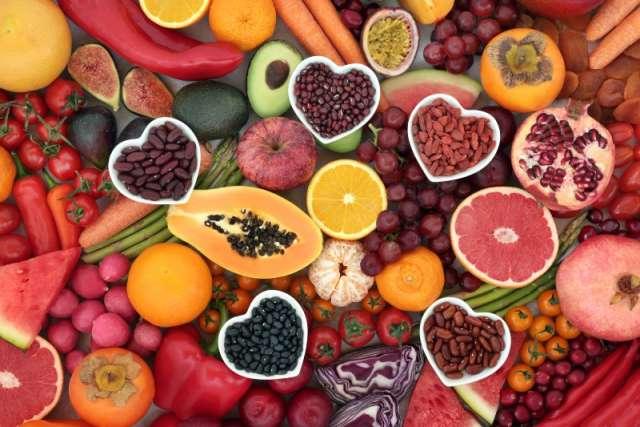
Conclusion: Embracing a plant-based lifestyle for a healthier heart and overall well-being
A more plant-based diet improves health in multiple ways, with heart health being potentially the best of them. There are many foods that are high in nutrients and provide benefits to improve our health, and the impact of food on our health matters greatly. We work hard every day and our body needs to be re-fueled with vitamins and nutrients.
Probiotics offer tons of benefits from improvements in immunity from a healthier gut. Things we think of as superfoods are certainly things like leafy greens, berries, and nuts, which provide benefits for our metabolic health and stamina as well as all the boosts from antioxidants. There are lots of ways to fortify food to be delicious and nutritious to help reach requirements for various helpful nutrients.
Some small modifications in food preparation can yield positive heart health enhancements. Natural ingredients in wholesome, savory creations and satisfying, delightful snacks that provide nutrition to the body are the end of the the culinary health improvement journey and the beginning of the exploration journey.
There are many innovative and scientific advances to improve our diets in a healthier way that plant nutrients can improve. These are perhaps the best of the types of nutrients available.
Better health, sustainability, and ethics are all a result of eating a certain way. When you think about how your food choices affect your health and the world at the same time, you can find a balance for yourself.
Conclusion: A choice for a better heart, and all the rest of you, too!
Food in our busy world is often about what is quickest and easiest. That often leads to eating unhealthy food, which subsequently leads to a plethora of diseases.
A plant-based diet means eating as many whole plant foods as you can, like fruits, veggies, grains, legumes, nuts, and seeds. All of these foods are really high in the health
A lower incidence of heart disease is just one of the many reasons that a plant-based diet is beneficial. A plant-based diet can reduce your heart disease risk, specifically coronary artery disease, by as much as 40%. This is due to reduced saturated fats and cholesterol.
In addition, more cardiovascular health concerns like hypertension and heart-related inflammation can be aided by a more botanical focused diet. Whole grains, fruits and vegetables are also known to help reduce and regulate blood pressure levels and act as effective anti-inflammatory barriers to chronic inflammation.
Another benefit of a vegan diet is effective weight control. Compared to animal products, vegan foods usually contain fewer calories, leading to weight loss and the maintenance of a functioning body.
Moreover, conveniently, more of a plant-based diet means more to eat. This is an added benefit of consuming more whole and more plant botanical foods while reducing meat and dairy. These foods also mean a higher diet of fiber which is important for having satisfied and healthy digestion.
Digestion health directly correlates with a body and brain’s health. Eating more plant-based and whole foods can reduce the risk of cardiovascular related diseases and many other chronic health conditions. That’s the healthy and factual plant-based diet positive, with the nutritional implications almost of a food pyramid.
What more could you ask for? Protect your heart, and health, around more plant based foods to the point where it almost becomes un-dairy, get it? Un-dairy foods? More loving and heart positive foods in plant-based, with a vegetarian diet can mean a diet high with whole grains and fruits to to lower and serious heart health related diseases.
