
Unlocking the Secrets of Sleep: Essential Tips for Better Health and Restful Nights

Welcome to the world of restorative slumber, where dreams take flight and your health reigns supreme! In our fast-paced lives, sleep often takes a backseat, becoming an afterthought rather than a priority. But what if we told you that unlocking the secrets of sleep could be the key to vibrant health and boundless energy? Imagine waking up each morning refreshed, revitalized, and ready to conquer the day! Join us as we delve into essential tips for better sleep—transforming restless nights into peaceful retreats. Get ready to discover how simple changes can lead to profound benefits for both your body and mind. Let’s embark on this journey towards restful nights and rejuvenated days together!
Introduction: Importance of Quality Sleep for Overall Health
Sleep, though considered a luxury, remains difficult to achieve for many people in today’s fast-paced, screen-dominated world filled with stress. However, quality sleep is fundamental to overall health and well-being, offering benefits that extend far beyond morning refreshment to include enhanced mental clarity, stronger immune function, and better mood regulation. Rather than being merely desirable, restorative sleep is essential for optimal health and daily energy. Despite its importance, many people struggle to obtain adequate rest, making it crucial to understand the science behind sleep and implement effective strategies and practical tips to transform nightly routines into restorative experiences that promote better health.
Understanding the Science of Sleep: Stages and Cycles
Sleep, which we experience every day, is never a single uniform state of mental idleness, but a core physiological process that sustains the healthy physical
and mental functioning of the human body. Only by fully understanding its operating patterns can we truly maintain stable health. Per the classification
of modern sleep science, complete sleep follows a cycle of roughly 90 minutes that repeats throughout the night. Each full cycle is divided
into two core stages: non-rapid eye movement sleep (NREM, the light and deep sleep phases during which no rapid eye movement
occurs) and rapid eye movement sleep (REM). NREM sleep is further split into three progressive sub-stages: N1, N2, and N3. The N1 stage that occurs right as one falls asleep is a brief transition from wakefulness to sleep. During this period, brain waves gradually
shift from the alpha waves that characterize wakefulness to theta waves, and the body’s muscles begin to relax. The subsequent N2 stage is the light sleep phase that accounts for the largest share
of nighttime sleep. Its brain waves remain dominated by theta waves, while the distinctive sleep spindles emerge, serving the function of transitioning the body from light to deep sleep. Once a person enters the N3 deep sleep
stage, delta waves—the signature of deep, uninterrupted slumber—become the dominant brain wave type. This stage is the core period during which the human body completes energy
replenishment, tissue repair, and immune function strengthening, while synchronously finishing memory consolidation and emotional regulation. When a sleep cycle draws to an end, the body enters
the REM sleep stage. During REM, the eyes move rapidly, and brain activity levels rise back to a state close to that of wakefulness. The vast majority of clear, distinct dreams occur in this stage, which also plays a core
role in supporting the operation of cognitive functions. As nighttime sleep progresses, the proportion of REM sleep within subsequent cycles gradually increases. Disruptions to any of these stages can trigger problems such as next-day fatigue, irritability, and difficulty concentrating. Understanding the patterns of
these sleep stages is the core prerequisite for building healthy sleep. As long as we prioritize ensuring sufficient high-quality sleep duration and adhere to good sleep hygiene, the human body will be able to complete all necessary sleep stages and cycles, and achieve optimal rest and renewal.

Common Sleep Issues and How to Address Them
Several sleep problems have become prevalent in people nowadays, and many can directly lead to insomnia. One is the anxiety induced by stress. If there’s a lot on your mind, you can easily toss and turn.
Another solved problem for that tired daytime feeling could be sleep apnea. This is when your breathing irregularly stops and can lead to daytime fatigue. If you are affected by this symptom, talk to a doctor to see if it can be treated.
There is a further syndrome known to many as restless legs syndrome. This syndrome can affect the sleep of many and can be especially troublesome. If you have this syndrome, a good suggestion to relieve the symptoms is to perform some stretching before bed.
This is an easy adjustment to your routine, and one that has proven to help many. If you want to see improvements sooner, try to assess how much caffeine you are consuming and cut back to minimal levels in the late hours.
Feeling rested and energized in the morning can be a vital part of continuing a good and healthy lifestyle. This is why sleep-related concerns are a common topic of healthcare because there can be so multitude negative effects from sleep deprivation. The causes, effects, and solutions to sleep emergencies can be varied. Looking for some of the most common issues in daily sleep can be a good start.
1. Insomnia
Insomnia is defined as the inability to fall or remain asleep. Insomnia is one of the most pervasive of all the sleep disorders. Insomnia is caused by numerous issues. Stress, anxiety, chronic pain, depression, and some medications can all contribute to the development of the disorder. The only way to eliminate insomnia is to discover what causes the disorder and try to remove it, if possible.
Although fully curing insomnia is not as simple, there are a few methods to help manage it. Going to sleep and waking up at the same time, avoiding eating and drinking caffeinated beverages near bedtime, making sure your bedroom is a comfortable temperature, and eliminating any distractions, and practicing deep breathing or other techniques to help you r elax, are all effective methods to help manage insomnia.
2. Sleep Apnea
Sleep Apnea is defined as the blockage of an airway causing someone to stop breathing temporarily while asleep. Sleep Apnea is a chronic disorder because the blockage of the airway can cause the individual to wake up numerous times a night, in some cases every few minutes, without being aware. Sleep Apnea can cause someone to feel tired and lethargic during the day, because the frequent disruptions to their sleep do not allow them the opportunity to complete the necessary sleep cycles.
The only way to address Sleep Apnea is by going to a doctor for proper diagnosis. Certain treatment options that a doctor may suggest to help combat this potentially dangerous sleep disorder include using a CPAP machine or making some new lifestyle choices and managing the disorder that way, like losing weight, quitting smoking, and some dietary changes.
3. Sleep Deprivation
Sleep Deprivation occurs when an individual does not get the number of hours of sleep, of sufficient quality, for a long enough period of time. Sleep Deprivation can cause numerous issues to one’s health and mental well-being. The ability to think clearly and rationally is impaired, one’s mood may become volatile and irritable, the body’s immunity can become weakened, and elevated blood pressure can occur, to name a few.
The best way to fight sleep deprivation is to try to get the recommended 7-9 hours of uninterrupted sleep per night. To help you reach that goal, you should adopt sleep-friendly behaviors like going to bed at the same time and waking up at the same time, even on weekends. You should minimize your screen time in the hour leading up to your bedtime. You should also avoid heavy meals and caffeine as these can keep you awake.
Restless leg syndrome (RLS) is a neurological movement disorder. It is characterized by a strong impulse to move one’s legs, particularly at night and when falling asleep. The syndrome makes it harder to fall and stay asleep because it is difficult to relax.
If you suspect RLS, it is important for you to see your doctor to get your symptoms assessed and a treatment plan made. Medications to manage RLS exist along with many lifestyle tweaks that can be made. You can avoid all the substances that keep a body awake to relieve symptoms, e.g., nicotine and caffeine. You can also incorporate stretching before bed and regular exercise.
Most sleep challenges can be overcome by identifying and addressing the issue, be it an unhealthy lifestyle or an underlying medical condition. By following these tips, you can improve the quality of your sleep and your overall health.
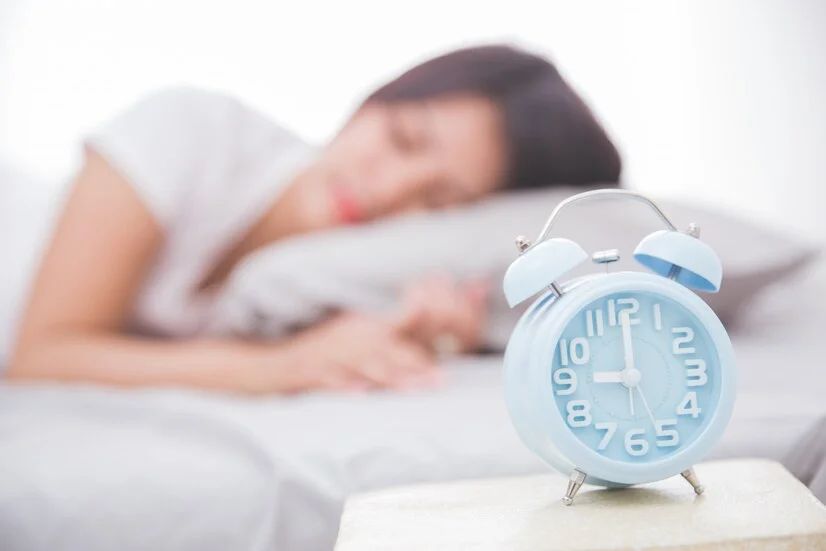
Essential Tips for Improving Sleep Quality:
Setting a regular sleep schedule creates a great opportunity to improve sleep quality. It’s best to go to bed and get up at the same time every day, even on weekends. This helps the body’s internal clock to better regulate sleep times.
Similarly, a calming bedroom environment is also very important. Transform the bedroom into a more serene and restful space that has dark curtains and soft bedding that is less cluttered.
Also, incorporate healthy habits in the evening. As the day ends, put away the screens. Blue light reduces the body’s production of melatonin and makes falling asleep more difficult. Instead, try mediation or light stretching.
A balanced diet is also a great way to improve sleep quality. Avoid large meals leading up to bedtime and if a snack is needed, keep it light.
Natural supplements such as melatonin and some herbal teas promote relaxation. However, it is important to risk evaluate with health care providers to figure out what might be best!
The first essential step in improving poor sleep is creating a schedule to stick with. Then, falling asleep and waking up at a set time regardless of proprietor is the most helpful for keeping sleep consistent.
2. Design the perfect sleep environment: Be sure your bedroom is the place you get the best possible sleep. To help your sleep, keep your bedroom cool (between 60-67 F), dark, and quiet. High quality bedding and pillows are also a good investment to help support your body and rest. Blackout curtains can also help darken your bedroom and block any disruptions in your sleep.
3. Don’t consume toxins before you sleep: If you consume alcohol, caffeine, or nicotine before you sleep, it can be extremely difficult for you to fall, and stay asleep. If you reduce or eliminate your consumption of these the four hours before you go to sleep, you will be much more likely to fall and stay asleep.
4. Cut out screen time: The blue light of your cellphone, laptop, or television, can reduce the amount of sleep you get by blocking your body’s production of Melatonin. You should cut out all electronics for at least an hour before bed.
5. Reduce stimulation: Stimulation can be countered through the use of relaxation techniques. Before bed it can be helpful to your body to breathe deeply or meditate to relax and calm your mind.
6. Rest regularly: It has been said that good, regular sleep is beneficial for the body to maintain regular inflammation levels and do more to promote rest in the body.
7 Don’t eat deep meals before you sleep: Eating a heavy meal can make it even more difficult to fall asleep due to the discomfort you will experience. It is best to eat for the last time at least two hours before you fall asleep.
A sleep diary helps you track patterns, habits, and possible causes for poor sleep quality. It can show you what sleep issues you may need to address, helping you improve sleep.
Most sleep tips help you sleep better and gain the benefits sleep provides. Poor sleep harms health. Quality sleep helps health and should be prioritized.
- Setting a Consistent Bedtime Routine
Something to try is a new bedtime routine. One of the first things people notice about a routine is that you function better with a schedule. Setting a bed time brings your body into check like a timer and causes you to fall asleep faster and, arguably, more importantly, wake up more refreshed.
Depending on your job’s demands, it’s important to set a bedtime and stick to it even on the weekends.
There are many calming things you can incorporate into your bedtime routine like a cup of herbal tea or gentle stretches.
Just as stimulating activities should be avoided as you lead up to your bedtime so too should you practice calming techniques. Normalizing calm conversations or target practice with your sleep mask can help restful activities to signal it’s time for bed.
For falling asleep quickly and improving your sleep so that you’re satisfied and feel better, first things first is set a consistent bedtime.
Regular bedtimes routines help regulate our body clock or circadian rhythm to function better. One of the first things people notice about a routine is consistency, and disrupting that, rhythm leads to difficulties falling asleep, staying asleep, and feeling rested.
The first step to developing a consistent bedtime routine is to determine how much rest your body needs. Recommended rest varies by age but adults typically need 7-9 hours. Once you have figured out your recommended rest, calculate the approximate time you need to wake up and work backward.
The next step involves creating a goal bedtime. Depending on how late you may be used to staying up and how irregular your schedule may be, getting to bed by the same time may be difficult but can be accomplished with the right mindset. Aim to at least be in bed by the same time within a 15-30 minute timeframe.
Along with consistent bedtimes, consistently creating an environment that encourages sleep is important. Dimming bedroom lights can aid in telling your brain it is time to go to bed. As screens can dim bedroom lights, avoid screens that can be dimmed prior to bed. Blue light from screens is damaging to the production of the sleep hormone, melatonin.
A bedtime routine can include a warm bath and or shower, relaxing weather you may find pleasant, breathing techniques, meditation, and calming music or a good relaxation book (avoid electronics) to help tell your body it is time to go to sleep.
If you can, try and wake up at the same time every single day, even on the weekends. I know you might be thinking that sleeping in on the weekends means you get to ‘catch up’ on your lost sleep, and that can make it harder to go to sleep the next weekday.
Sleep routines mean you are also going to be consistent about the things you do, and don’t do, right before you go to sleep. You will need to avoid doing things that stimulate your mind and body, which include very large or heavy meals, late-night workouts, and things that caffeinate or bring alcohol close to your bedtime.
You can give your body the signal that it is sleeping time and being consistent about going to sleep at the same time, and waking up at the same time helps with the signal. This sleep routine will lead to a much healthier lifestyle with all the right discipline.
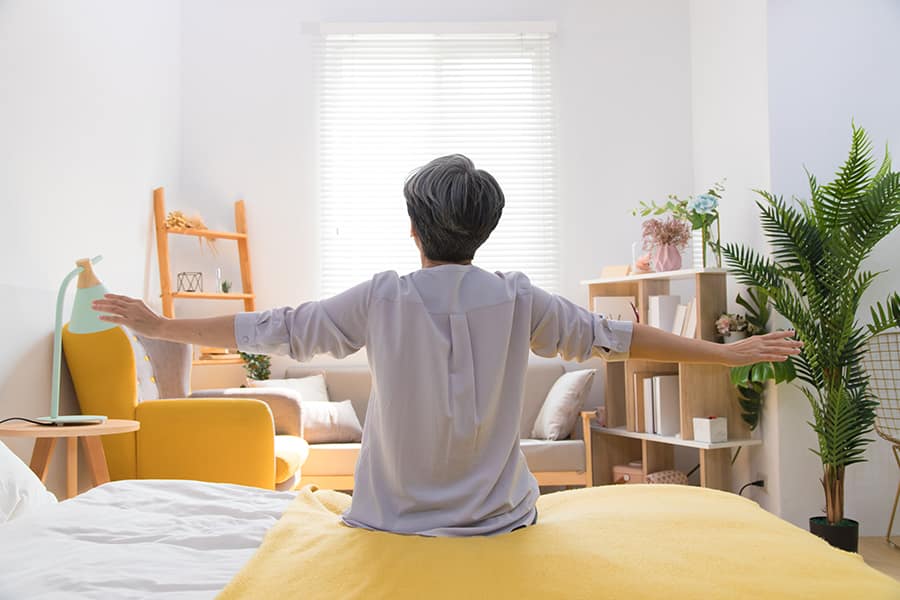
- Creating a Relaxing Bedroom Environment
Your bedroom should feel like a retreat from the world. Here are some tips to create a relaxing and soothing environment!
Consider your color choices. Use pastel or muted colors to create a calm and soothing atmosphere.
Lighting plays a critical role too. Choose warm dimmable lights, and bedside lamps as the day draws to a close. Stay away from fluorescent lighting.
A neat uncluttered space can have a world of difference on your mental state. Organized and clear surfaces evoke a sense of calm and relaxation. Plants and other forms of art can also serve this purpose.
Bedding is also something to consider. Breathable sheets and soft pillows can play a huge role in sleep quality.
Lastly, sound absorbing curtains and carpets can help create a more relaxing environment.
Your Space, Your Sanctuary
Your bedroom should be your personal oasis away from the world. Taking some time to create a space that is best suited to help you relax and recuperate from the day’s events. Here are some things to consider when creating a calming atmosphere.
1. Keep It Neat and Tidy:
Keeping your room clean and neat helps create a relaxing space. A messy room usually increases anxiety and makes it difficult to fall asleep. Make sure there is no clothes on the floor or items on the nightstand that should not be there. Tidying your room makes it look organized, and helps you relax by clearing your mind.
2. Use Soft Colors:
The color of a room can be soothing or overwhelming. Select soft colors and stick to neutral colors such as the pastels of blue, green, pink and purple. These colors have a soothing effect and can help you fall asleep.
3. Quality Matters:
Especially since you probably spend 1/3 of your life in your bed, creating a comfortable bed is important. Invest in quality bedding with soft sheets. Select sheets that are made of natural materials such as cotton or linen to help control your body temperature while you sleep.
4. Dim and Bright:
Sleeping with the lights on disrupts the internal body clock, or circadian rhythm. Ensuring your room is completely dark helps you sleep. During the day, your curtains should be drawn in order to help produce melatonin. Remember, the less light the better!
5.Curb Noise Pollution:
Too much noise around the home can interfere with sleep. There are several ways to address this issue. If you are in a loud area you could invest in a white noise machine or earplugs. Soundproofing your home or simply your bedroom will give you a good barrier from the noise.
6. Incorporate Relaxing Scents:
Many people benefit from incorporating relaxing scents into their everyday routine. A popular option for many people is aromatherapy. Using essential oils or candles with relaxing scents such as lavender or vanilla or chamomile can help you fall asleep.
When it comes to sleep many people are overwhelmed by how many options there are. Good sleep is essential for good health. Increasing your sleep quality should be your main goal. Having a relaxing routine is a great first step.
- Incorporating Healthy Habits before Bedtime (e.g., No Screen Time, Meditation)
show that taking a break from all electronic devices at least an hour before bedtime can help re-norm one’s circadian cycle.
Creating a pre-bedtime ritual is a fun way to avoid staring at a screen before bedtime. Different relaxing activities can be done to replace that screen time. Some examples include reading a book, practicing yoga, or meditating. Meditation can be done with just a few minutes of mindful deep breathing.
These healthy habits can also provide mental clarity to prepare the mind for sleep. Many people find that before sleep their mind is still racing, but reflecting on the events of the day using a journal can promote mental space to relax. With these practices, people can prepare their bodies for sleep and restore energy overnight.
Wild and busy lifestyles can wreak havoc on our sleep. Scrolling through phone apps and bingeing shows just before bed seem harmless, but actually can make it significantly harder to fall and stay asleep. Improving lifestyle habits to create an evening ritual can help achieve better sleep.
The best way to create healthy bedtime habits is to eliminate screen time. Blue light emitted by devices is known to stunt melatonin production, making healthy sleep and improved lifestyle harder to attain. These habits can effectively help.

- Maintaining a Balanced Diet and Exercise Routine
The impact of proper nutrition and regular physical activity on the quality of sleep is enormous. The truth is, what you eat in a day really influences the quality of your sleep at night. If you consume a diet that contains a lot of whole foods, lean proteins, healthy fats, and fiber, you will improve the quality of your sleep.
Some foods make people sleepier, and things like bananas, yogurt, and almonds, make good snacks before bed. This is because they help you make melatonin, which is a sleep hormone that helps keep time for the body.
Let’s not forget that proper nutrition combined with regular physical activity is essential for the maintenance of good overall health. In the hectic daily rush of modern life, it is all too easy to neglect healthy habits, but the benefits of a healthy diet and exercise far outweigh the challenges of achieving them.
Sleep quality is greatly assisted by dietary choices and exercise. Eating better foods will keep people from getting sick and will also keep them from getting tired during the day.
The food you eat directly affects the quality of your sleep; diet can make you fall asleep faster. If you consume an excess of added sugar, caffeine and unhealthy fats before bed, you will find that you have a harder time falling asleep after.
and improve the quality of sleep.
It is important to note that certain foods and eating habits can impact how easy it is to fall asleep. Eating certain foods such as turkey, eggs, nuts, and seeds that help increase levels of tryptophan, can help you fall asleep faster.
Even with the right food choices, the timing of meals is still important to a healthy circadian rhythm. When you eat can influence how well you sleep. Eating regularly throughout the day can help avoid feelings of hunger and fullness that can makes getting restful sleep difficult. It is a good idea to eat your last meal a couple of hours before bedtime.
There are so many benefits of adding exercise to your daily routine. Regular exercise can help with both physical and mental health. When you exercise, you can feel the release of endorphins which can promote feelings of happiness while also helping you to feel relaxed and calm.
Regular exercise can help your heart and circulation. When your circulation and cardiovascular system are healthy, you sleep better. With exercise, sleep quality hits a new level. Even with the right food choices, intensively working out right before bedtime can have a stimulating effect which makes it hard to relax.
You can enhance the mental and physical benefits of exercise by incorporating yoga or meditation. These mindful practices are helpful in calming the nervous system, and you sleep better and feel more relaxed.
- Considering Natural Supplements or Remedies for Better Sleep
Dietary supplements may be an effective alternative to pharmaceuticals in improving sleep quality. Valerian root, chamomile, and lavender are some natural remedies that are believed to improve sleep.
Another common remedy is melatonin, which is a hormone that controls your internal sleep clock. Taking melatonin may help accelerate nighttime routine.
Magnesium can also be a remedy for a better sleep. It has muscles relaxant properties that may make falling asleep easier.
Like all supplements, there may be some adverse effects to using it. It is best practice to check with your physician which supplements are safe, what dosage to use, and what might conflict with other medications.
It’s also important to keep in mind that sleeping supplements may work in a unique way for each individual.
In today’s world where everything moves a million miles an hour, falling asleep may be the easy part, but actually being able to stay asleep the whole night is quite the contrary. As we rush from one activity to the next, stress and the mental burden of constantly having something to do doesn’t help. The busy demands of life and everything in addition to that may make many people turn towards natural remedies for sleep. But while there are all these sleep supplements that can help you catch those Zzzs, there’s no way to know if each one actually works until you try for yourself.
Before starting sleep supplements, there are some things to keep in mind. Here are a
Here are some popular natural options to get some quality sleep:
1) Melatonin: This is a hormone that your body produces that helps you fall asleep.
2) Valerian root: This herb is a centuries-old remedy that is believed to help calm you down by increasing GABA in the brain. GABA is a neurotransmitter that causes relaxation.
3) Magnesium: This mineral is essential for your overall health. It can help shorten the duration of insomnia and improve the quality of your sleep.
4) Lavender: Lavender is a popular herb that is calming. Lavender, taken in essential oil or tea form, relaxes the body and mind to relieve the struggles of falling asleep.
5) Chamomile: This tea serves as a natural remedy that promotes relaxation, improves the quality of sleep, and helps to end insomnia.
While these natural remedies and supplements are generally safe for the general population, there is a risk of interactions with some medications. It is important to talk to a doctor before getting any of these.
Outside of supplements, there are a few good behavior adjustments of sleep improvement habits. Getting a good sleep environment, following a sleep schedule, and daily relaxation practices such as meditation and yoga, can go a long way.
Although many naturally derived sleep aids and supplements are great for improving sleep, they are not guaranteed to work, and they should be treated as a supplement to a healthy daily routine. For those who want to improve their sleep the best first step to quality sleep should be to schedule and visit a health care practitioner.
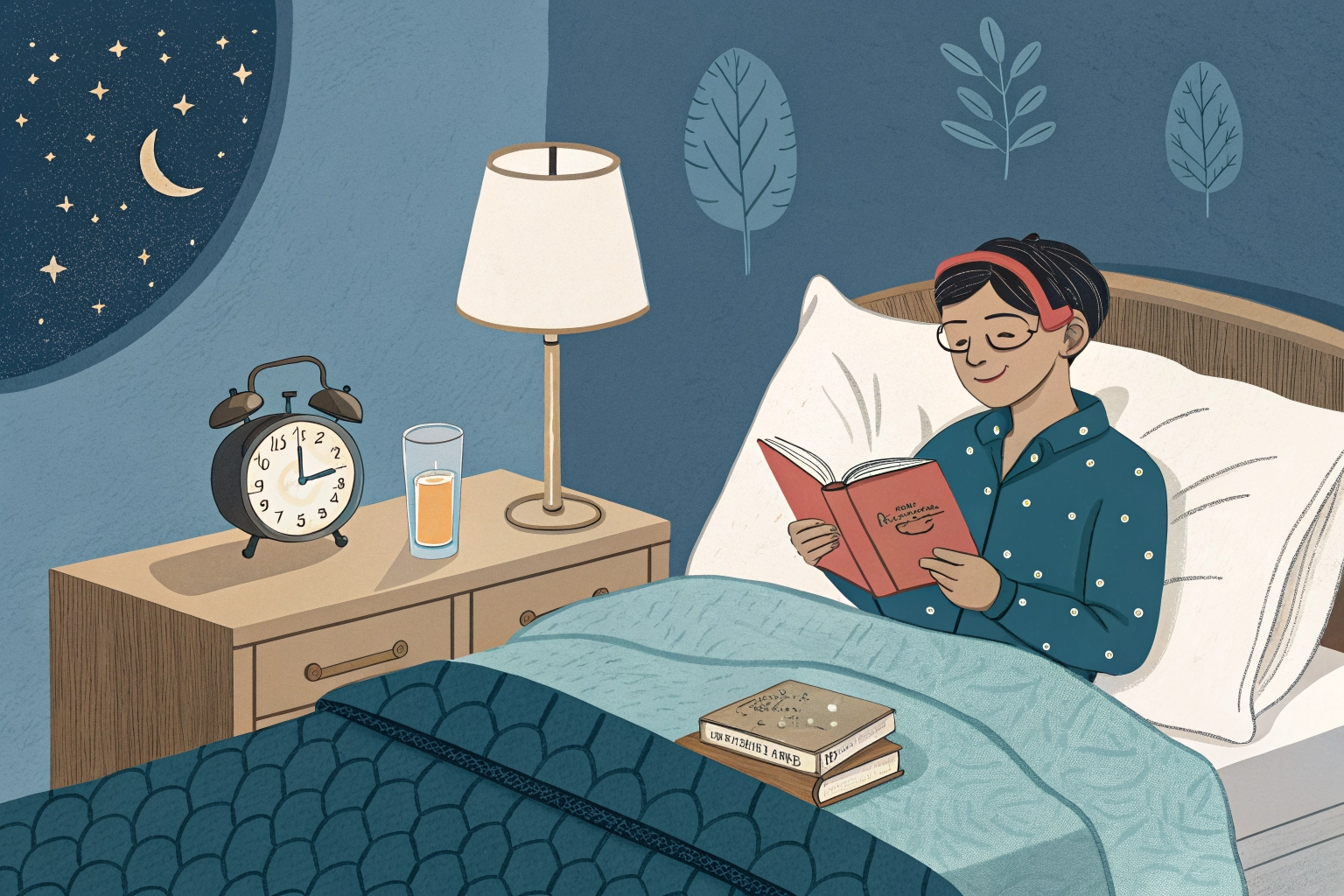
Practical Bedtime Habits to Promote Deep Sleep:
There are several things you can do to create a sleep-friendly environment. Start with white noise or soft music. These sounds can ease disruptive noises and help you relax and transition into sleep.
Quality of sleep is heavily dependent on temperature. You should keep your bedroom cool, about 60 to 67 degrees Fahrenheit. These lower temperatures will help you fall asleep faster and sleep deeper.
Try to figure out the sleeping position that suits you best by trying out a few different positions. If you’re a snorer, you may want to sleep on your side. If you want to maintain proper spinal alignment, consider sleeping on your back.
Use blackout curtains to block external light, which helps your body produce melatonin and fall asleep easier.
Deep, restorative sleep is one of the most important things you can do for your health and wellness, but many people don’t achieve the necessary 7 to 9 hours in their busy lives. The good news is there are simple changes to your routine that you can make to help you achieve restorative sleep.
1. Remain Consistent with Sleep Patterns: The most sleep friendly thing you can do for your body is go to bed and wake the same time every single day, even on the weekends.
2. Develop a Relaxing Routine: Incorporating different activities like taking a bath or shower, reading a book, meditating, or practicing some deep-breathing exercises can make you more relaxed and signal your brain to get ready for sleep.
3. Steer Clear of Stimulants: Stimulants like caffeine and nicotine can make it hard for you to get to sleep and stay asleep. The best option is to steer clear of those 4-6 hours prior to your sleep.
4. Control Your Screen Time: Suppressing the production of the melatonin (which is the sleep hormone) can actually be caused by the blue light present in a lot of our electronic devices. To help you get to sleep be more mindful of your screen time at least an hour before you go to bed or if it’s necessary to use electronics really close to your sleep time, you can put on glasses designed to block blue light.
5. Prepare Your Sleep Environment: The environment we sleep in actually greatly affects the quality of sleep we get. Using blackout curtains (or wear eye masks) can help block out light, and keeping your bedroom at or around 65 degrees Fahrenheit can help get a good temperature to sleep in. We also need good pillows and bedding that supports us in our preferred sleeping positions.
6. Be more Mindful of the Time You Eat: Eating late really disrupts a peaceful night’s sleep because your body is left to battle through the night trying to digest the food you ate. Your biggest bet for optimal nutrition and to help promote sleeping at the right time is to eat your last meal (your dinner) at least 2-3 hours before going to bed and to also avoid overly-spiced and/or acidic foods that can trigger heartburn.
7. Avoid Alcohol Before Bed: Even though alcohol can make you drowsy, it can interrupt your sleep and make you wake up several times throughout the night.
Integrating these easy bedtime practices into your daily life can help you fall asleep faster and more deeply. Do note that sleep is important for both your physical health and mental health, so indulge in some good sleep in your daily routine. Sleep well and goodnight!
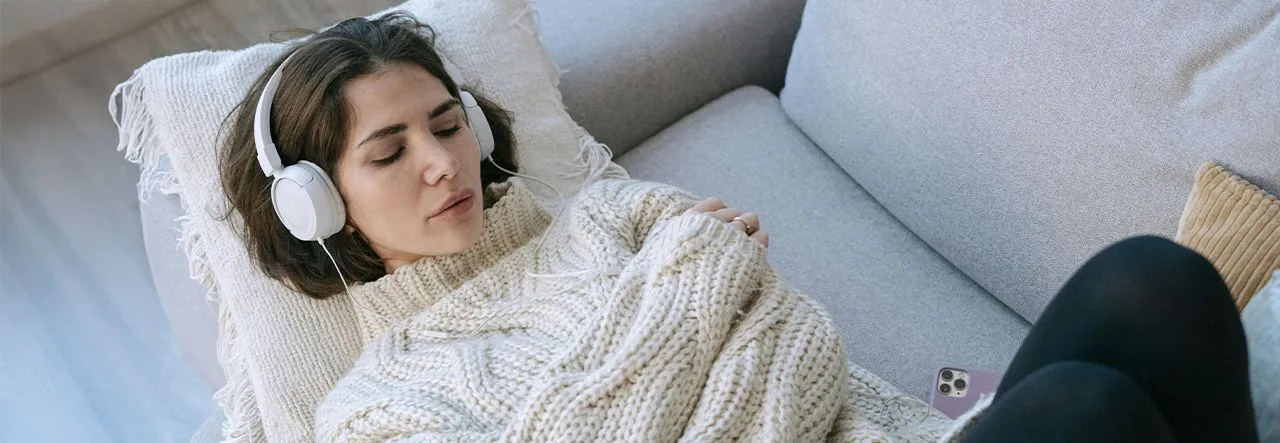
- Using White Noise or Relaxing Music
Providing coverage for disruptive night sounds with white noise enhances sleep quality. Calm mentally stimulating sounds. Experiment with sound-producing devices or whirring appliance background noise before implementing white noise in your nightly routine.
Deep sleep can be reached with relaxing music. Soft melodies and calming rhythms can be used in playlists to help reduce stress.
Like sound, deep sleep is personal and takes experimentation. Have relaxing music available to help calm your mentally stimulating thoughts before sleep.
Relaxation can also be reached with distracting daily activities by listening to sounds of nature.
It can be impossible to achieve a quality of sleep that combats daily distractions and stresses in modern times, but don’t lose hope. Prioritizing white noise and sound over stimulating entertainment can help fall and stay asleep.
A sound is said to be white noise when it includes all sound frequencies at the same amplitude. It is usually perceived to be a steady hum or an audio equivalent to a blank TV screen. White noise uses an even sound to erase other existing sounds around you, causing a noise-free environment. This can help you fall asleep at night. Many white noise machines are available that can play sound in the form of natural rhythms, including rain and waves.
Length and quality of sleep have been improved with the application of white noise. It can help the brain relax and fall into deeper levels of sleep, while masking sleep cycle disruptors. This noise can be beneficial to people in loud surrounding that are difficult to sleep or stay asleep in.
Relaxing music is a popular sleep aid offering an alternative to white noise. Calming music is usually slow and instrumental can also help with both falling asleep and staying asleep.
In addition to all of the other benefits music provides, it can lead to a natural state of relaxation by having a positive impact on heart rate and blood pressure. This settling of the body can strengthen emotional states and enhance memory, both of which can support sleep.
Gentle melodies and songs that are even-tempered help create a better environment. These songs can help drift into sleep.
Not only do white noise and relaxing music help you sleep better and for longer but they can also help reduce anxiety and improve your overall mood. Better sleep and better mental health are a great combination.
Adding some white noise or relaxing music to your sleep routine can really help improve the quality of your sleep. There are tons of great options to help fill the environment and create a restful sleep.

- Keeping the Room Cool and Dark
A cool, dark environment encourages deep, restorative sleep. As room temperature begins to drop, your body naturally attempts to relax, and you find it easier to fall asleep. Keeping your room within 60°F to 67°F (15°C to 19°C) encourages your brain to start calming down and getting ready for sleep.
Your brain and body need total darkness to help signal that it’s time to sleep. If outside lights are entering your room, consider installing blackout curtains or shades. Light also affects the circadian rhythm and would trick your brain into thinking that you need to stay awake for longer than necessary.
Using an eye mask also improves darkness by blocking out unwanted light. This can include lights from electronics or street lamps. This, along with cooler air, will create a perfect cocoon for sleep.
Moreover, concentrating on your sleep environment by eliminating distractions helps to create the perfect atmosphere. You’ll have the best sleep if you silence your phone and dim your bedside lights.
Your sleep environment has a big impact on how well you sleep. Light and temperature are two important factors and can both negatively impact sleep. This section will cover several sleep promoting tips to keep your room cool and dark.
1. Install blackout curtains or blinds. Natural light exposure during the day helps to synchronize your body’s internal clock. However, it can throw off your sleep schedule at night. Blackout curtains or blinds block outside light for enough sleep.
2. Invest in a good mattress. If it is something in good quality, that provides good weight distribution, and comes with the bonus of air circulation, like memory foam, that cools in bed and helps maintain the desired environment. It will be cool and cozy.
3. Bedding Electronics: Electronics, like TVs, laptops, and phones, emit blue light. Blue light affects your levels of melatonin, which means it affects your sleep. Leave electronics in another room and you will be devoid of artificial light.
4. Try to decrease the temperature of the air with air conditioning or circulating air with fans. You will be able to sleep better if the air in the room is cooler. Thick blankets are uncomfortable and hinder air circulation.
5. Cooling pillows: Our heads always seem to be on the bad end of the sleep comfort scale. Pillows retain heat and it is hard to sink into your cozy brain puddle. Cooling pillows are made of gel memory foam and other breathable materials.
6. Don’t eat close to bedtime: It is known that heavier foods take longer to digest and raise your body’s core temperature. This causes hinderance to falling asleep. During bed time, you should be eating light.
7. Think about using a white-noise machine. For those who live in environments where it is difficult to sleep from all of the nuisance noise, white noise machines can provide the ambient sound to help you sleep. White noise machines create calming sounds, like ocean waves, rain, etc. to cover up noise that you don’t want to hear.
Making your environment cool and dark is essential to ensure you enjoy a restful nights sleep. Implementing these techniques can produce the environments best for helping you sleep soundly and ensuring your health improves continually.

- Trying Different Sleeping Positions
Sleep health is an important but often neglected component of self-care. It is not unusual to have difficulty falling or staying asleep. One culprit of poor sleep is sleep position which plays an important role in overall sleep quality.
Although you may have a favorite sleep position, you should try different ones to find your ideal position. Popular sleep positions are as follows:
1. Side Sleeping
Side sleeping is common and healthy. To achieve this position, sleep with your arms stretched or folded in front of you. It can even reduce the back pain caused by acid reflux, and help with digestion.
Proper spine alignment is critical, especially if you prone to side sleeping. Putting a pillow between your knees can align your hips to avoid straining your lower back.
2. Back Sleeping
Those with neck and shoulder pain should consider back sleeping as a good option. It is a neutral position and helps align your spine, and it may have the added benefit of helping avoid facial wrinkles due to the lack of side pressure.
This position is not good for snorers and those with sleep apnea because their condition could worsen because of obstructed airways. In these cases, the use of an additional pillow or a wedge pillow for back sleepers may help.
3. Stomach Sleepers
In general, experts do not recommend stomach sleeping because of how it can negatively impact the body. However, some pillows can help. This position puts major strain on the neck and spine, and can lead to stiffness and discomfort in the morning.
For those who prefer to sleep on their stomach, try a flat pillow under the pelvis as it supports the lower back, thus, aiding the alignment of the lower back.
4. Combination Sleepers
It is entirely normal for the majority of people to switch sleeping positions a few times through the night. In fact, the combination of side and back sleeping can be ideal to help enhance blood circulation and decrease snoring.
If you frequently switch sleeping positions, try using a body pillow for back and side sleeping. This pillow helps provide support to the body while helping to maintain proper sleeping alignment.
Trying a Variety of Sleeping Positions:
Do you think about the way you sleep, or do you mainly wake up and try to move throughout the day? Well, positions of sleeping can affect your health and help you feel better during the day. Sleeping one way always may feel normal, but breaking that habit could improve your quality of sleep and your health.
Side sleeping is one of the best sleeping positions. It naturally keeps your body’s spine straight, which could keep the blood circulating. Not only that, it can also reduce snoring and acid reflux in you or others. Side sleeping may also improve blood circulation in mothers and reduce pain.
Not every way to side sleep is the same. Sleeping on your left is actually more beneficial in that it doesn’t allow your stomach acid to reflux back up, meaning less heartburn and digestion problems.
The only concern with back sleeping is if elevated to a height, it can harm the spine and neck which can result in the body feeling stiff and achy. It can also cause internal health issues like snoring and sleep apnea. However, these issues can be improved and minimized by using a framed bed with an adjustable height or by using another pillow to support the head while sleeping. Back sleeping is actually good for spinal alignment.
In the case of stomach sleeping, while it is great for reducing snoring, it can also lead to issues with the neck and lower back. To help with this, you can place a pillow under your hips to relieve some of the pressure off of your spine.
Having bodily support for the sleeping position is the most important thing to be able to sleep comfortably. If the mattress is of high quality and supports the whole body, also having the right positions to support the head, neck and spine, it can improve the quality of sleep immensely.
In order to achieve a good quality sleep, having multiple positions to try out for sleeping and finding which helps the most is a good idea. This is good for health and also provides more restful nights. Resting and going to bed soon!
